Over the last 20 years the economy has undergone a profound shift towards digital infrastructure and digital product/service delivery. This has produced some of the best businesses the world has ever seen. Amazon and Google, for example, have outperformed the index by multitudes since their respective IPOs.
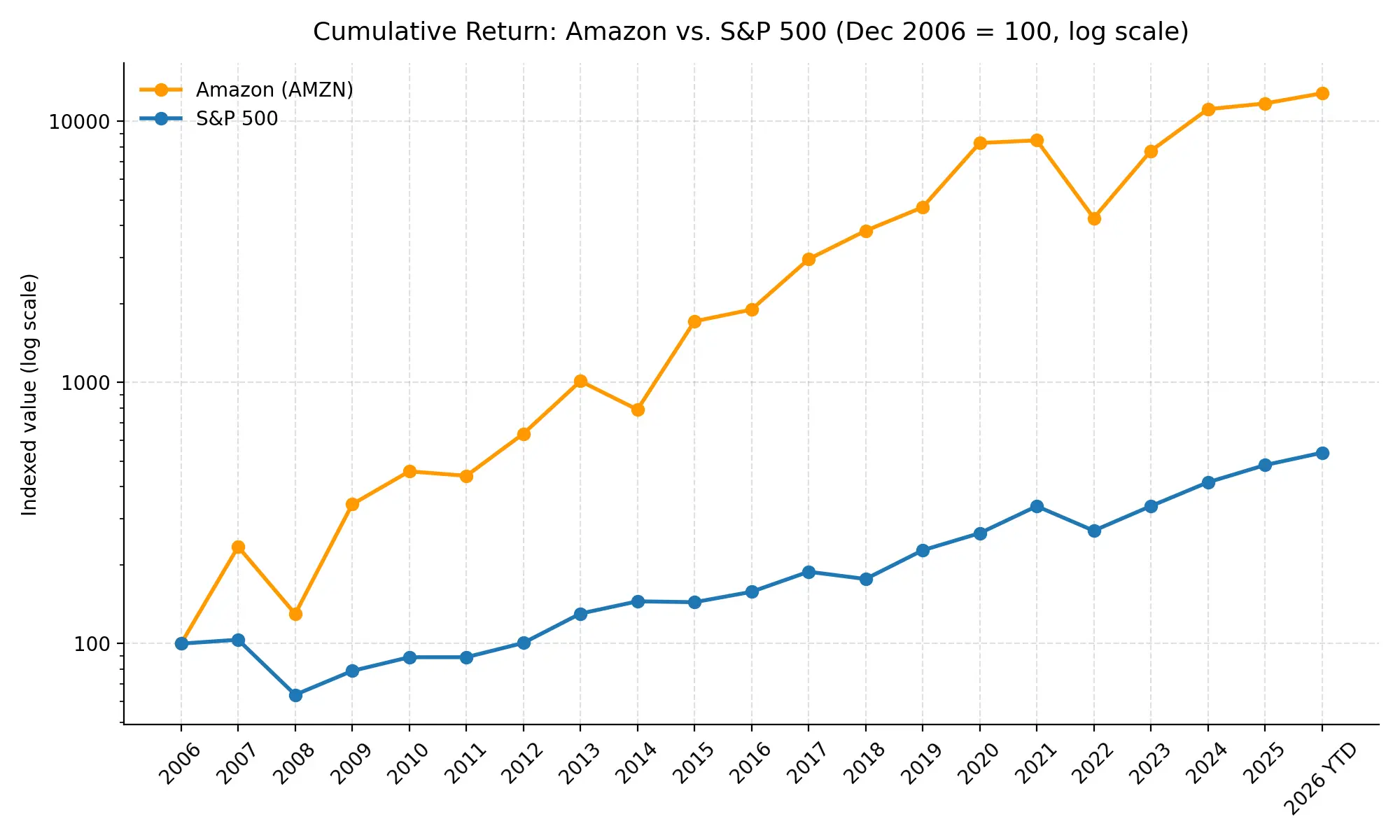
Since 2006 Amazon is up ~12,700% vs. The S&P500 at ~440%
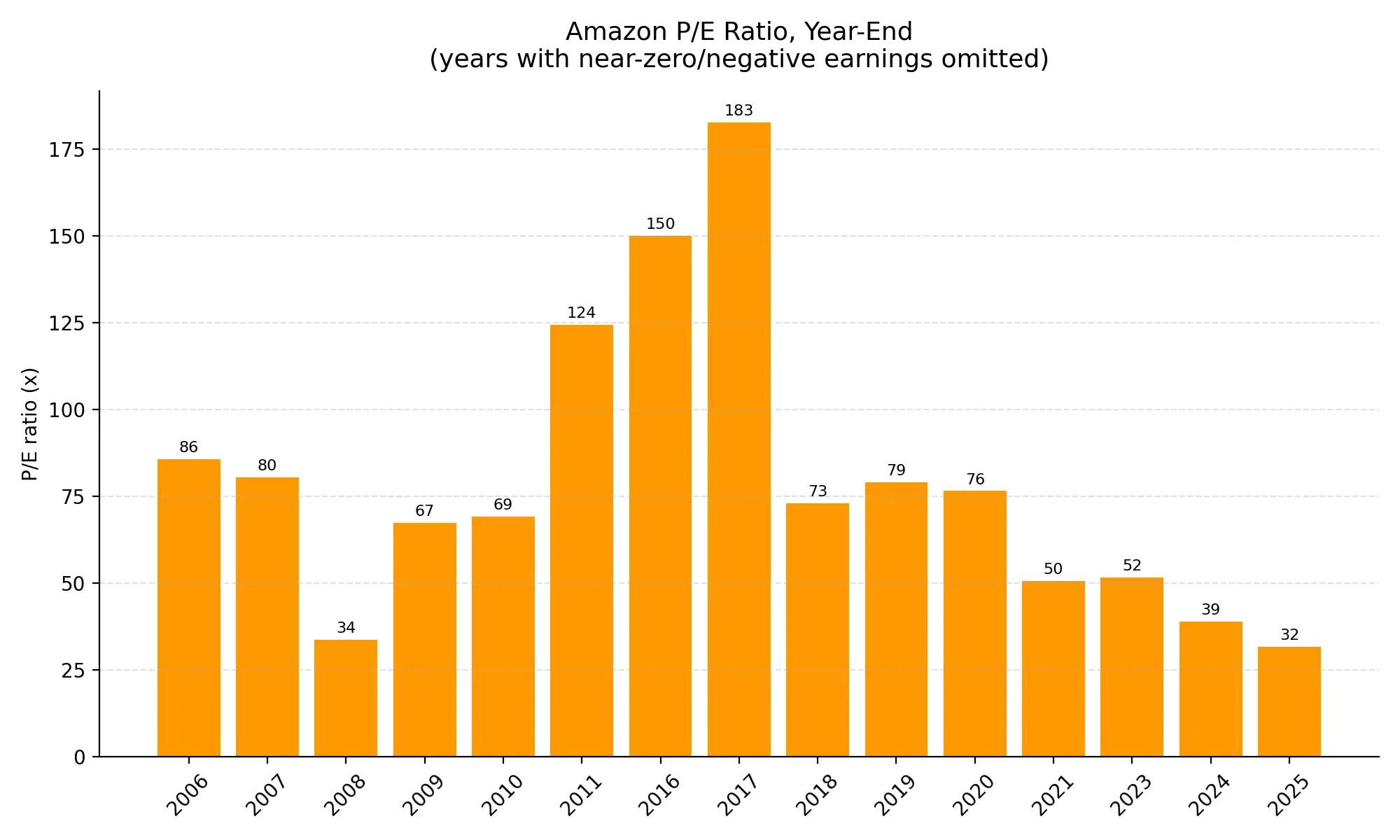
Yet, most acclaimed value investors missed them. Under traditional metrics, like the P/E ratio, Amazon and Alphabet have looked expensive the entire time. Nonetheless, they continue to perform.
This raises a brutal question that requires humility, self-awareness, and financial aptitude to answer: What are value investors getting wrong?
It seems, proven by 2 decades of underperformance, that the tools and mental models value investors have trained on, no longer work. The foundation concept taught by Graham, Buffett and Munger to buy a business below what it is worth will always be true. But, how we judge the worth of a business may need to change. Just as Buffett learned to abandon the methodologies of his own teacher, adapting to the post-World War II global economy, we must now do the same in the digital age.
This ongoing adaption is what has been called Value 3.0.
Connections
Link Explanation: Similar to Seessel, Marathon Management has come to a similar understanding after years of investing and following digital companies. The most incredible businesses earn their high valuations over a long enough time period. The investor who shies away from a wonderful business because the P/E is, say, higher than 15, is making a terrible mistake.
Investing In A Stock Is Investing In A Business
Link Explanation: The linked note above discusses one of Graham’s core tenants that a stock is not a lottery ticket, it is an ownership stake in a business. This remains true. But when he taught us this lesson, it was a warning. It was a reminder that a stock is only as good as the value of the business it represents, and an investor looking to get rich quick is gambling since the value of the business is likely to grow slowly. If the price of the stock increases rapidly, there is a fair chance this is simply based on sentiment changes and thus vulnerable to shifts in the other direction.
The connection here, actually works the other way. When we look at digital businesses, we have to keep in mind that these are businesses as well. Digital businesses though have “unnatural” advantages, see Making Money With Elephant Ears, that allow them to grow faster and bigger than any other form of business we have seen. In other words, their pace of grow can allow them to earn back their high multiple much faster than the businesses Graham was talking about. The lesson being, in the same way Graham warns us not to fixate on the stock price, we cannot become fixated on the numbers and metrics. We must remember that we are investing in a business, and value it accordingly.